Most people enroll in a first aid and CPR course for one of three reasons: their work requires it, something just recently terrified them, or they have youngsters and instantly see threats everywhere. After that life gets in the way, and the following search term is often "fast first aid course near me" or "express cpr training".

Fast first aid and CPR training classes exist for a reason. People require abilities, however they also need to fit training around changes, household, and commutes. Done well, fast first aid training is efficient, focused, and useful. Done terribly, it is rushed, superficial, and forgettable.
Having taught first aid and first aid course details CPR courses for over a years, including express first aid courses for hectic experts, I have actually seen both sides. What adheres to is a clear photo of what to expect, what you really find out, and just how to tell a high quality fast first aid course from a box‑ticking one.
What "fast" actually implies in first aid and CPR training
Fast does not imply "shortcut to a first aid certificate without effort". When you see terms like fast first aid, express first aid, or fast cpr courses, service providers are generally discussing:
- Compressed schedules, such as half‑day or night sessions instead of a full day in a classroom. Blended styles, where you complete theory online and attend a much shorter in‑person practical. Focused material, with less time on limited topics and more on high‑impact skills.
Regulated first aid and cpr courses have minimal content needs. A reputable company can not simply remove CPR training or choking monitoring to save time. What they can do is move lectures to an on-line module, trim duplicated presentations, and run smaller sized course dimensions so each student obtains more focused practice.
The crucial question is not "Just how short is it?" but "What does the course prioritise in the time offered?" If the answer works hands‑on practice with comments and realistic circumstances, a fast first aid course can be just as solid as a standard one.
Who fast first aid courses are best suited for
From experience, fast first aid training functions best for individuals that either currently have some direct exposure to emergency situations or that fit with concentrated, extensive learning.
A few examples:
- Workplace initial aiders on a revival timetable, attending a fast cpr refresher course or express first aid training to upgrade skills and revalidate. Healthcare employees, health and fitness instructors, or lifeguards who consistently come across emergencies but need a formal first aid and cpr certificate to fulfill professional requirements. Parents and carers taking an express child care first aid course after a scare, such as a choking case in the house, who want functional abilities without a great deal of theory.
It is still appropriate for complete beginners, yet the tempo is different. You will certainly relocate rapidly from demo to exercise and will be expected to engage, ask concerns, and repeat abilities until you obtain them right. If you favor a slow-moving, discursive pace with lengthy discussions and study, an expanded first aid training course instead of an express first aid course may match you better.
Core skills you in fact discover in first aid and CPR courses
Regardless of the style, an experienced first aid and cpr course concentrates on a set of core, life‑critical abilities. The labels vary between nations and training organisations, yet the web content overlaps heavily.
You can sensibly anticipate to cover:
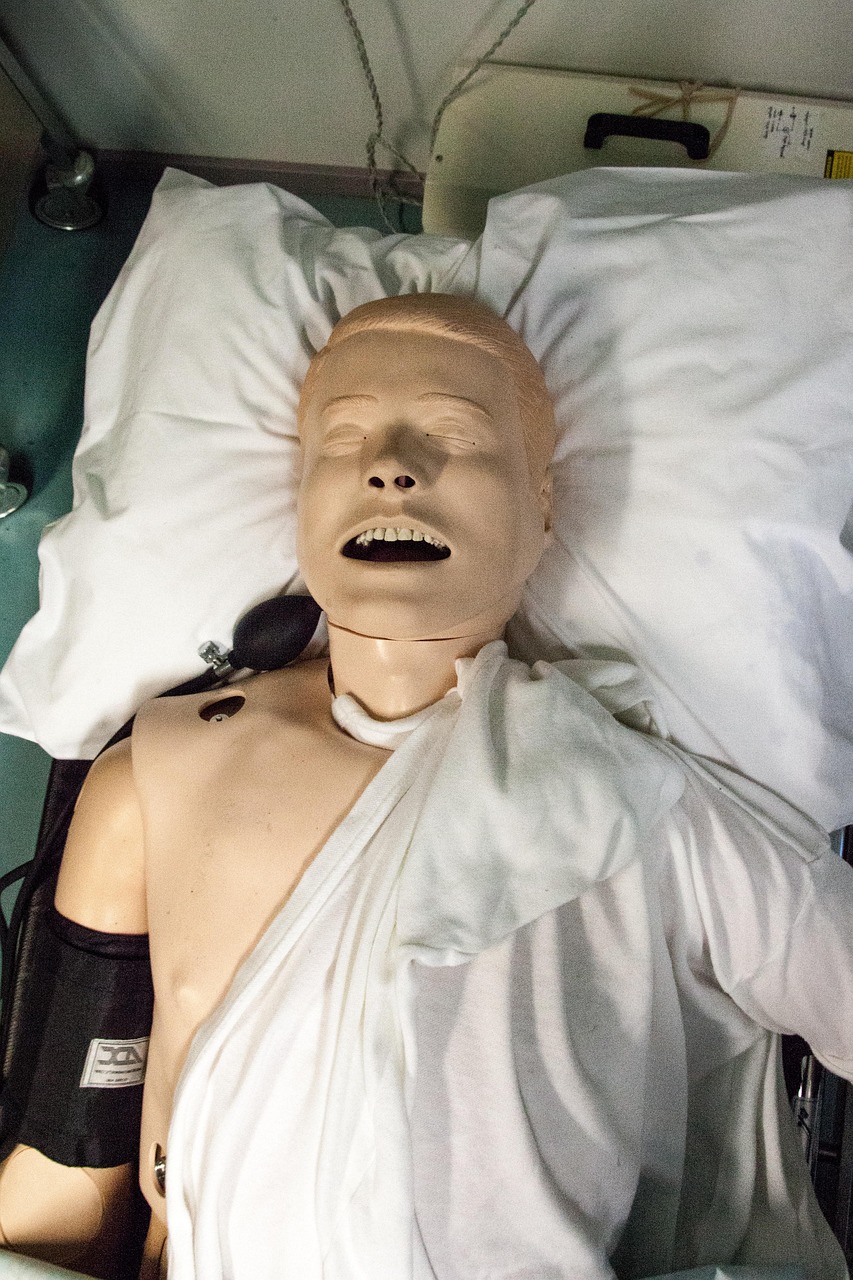
Cardiopulmonary resuscitation (CPR). This is the heart of most cpr courses. You will certainly practice compressions on adult, kid, and often infant manikins. A great teacher drills deepness, price, and upper body recoil, and makes use of responses tools whenever possible. In fast cpr courses, you ought to still obtain numerous rounds of practice, not a solitary token attempt.
Automated outside defibrillator (AED) usage. Several public areas now have AEDs, yet people are nervous about utilizing them. Training demystifies the device: transforming it on, putting pads, following triggers, and making sure everybody is clear during shocks. In a well run express cpr course, this ends up being muscle mass memory rather than abstract knowledge.
Choking monitoring. Virtually every first aid course spends time on choking due Check over here to the fact that it is both typical and frightening. You will discover exactly how to recognise moderate versus serious blockage, and exactly how to react for grownups, children, and infants. In childcare settings, express child care first aid training commonly invests additional time here, with sensible dolls and staged situations, since the margin for error in little kids is lower.
Bleeding and injury care. First aid training covers direct pressure, dressings, and when to take into consideration tourniquets or haemostatic dressings, depending on your region's guidelines. Even in succinct fast first aid courses, you should have the opportunity to in fact manage bandages and technique structure a firm clothing, not just watch.
Unresponsiveness and recovery setting. Not every fallen down individual requires CPR. You will certainly discover exactly how to examine responsiveness, breathing, and when to put someone in the recovery setting. I have actually seen this simple ability avoid ambition extra times than I can count.
Most fast first aid courses also discuss burns, fractures, medical emergencies such as cardiac arrest or stroke, and ecological concerns like warm exhaustion, however the depth varies. If you need certain content, such as anaphylaxis management or oxygen usage, check the course summary carefully instead of assuming.
What the day really looks like
When people imagine training, they often imagine a classroom, lengthy slides, and periodic yawns. A well designed fast first aid course looks very different.
You could begin with a brief, focused concept sector where the instructor outlines key principles: your role as a first aider, personal safety and security, authorization, and when to call emergency services. In a mixed style, a lot of this is completed online ahead of time, so the in‑person session starts virtually promptly with practical work.
The space usually has numerous CPR manikins set out, an AED instructor or 2, and tables equipped with plasters and basic supplies. After a demonstration, you relocate rapidly right into technique, either alone or in small groups. The trainer turns with, dealing with hand positioning, coaching rhythm, and asking you to speak through what you are doing. It feels more like a skills workshop than a lecture.
Scenarios are where fast first aid training can beam. For instance, in an express first aid course I instructed for hospitality staff, we ran short, realistic circumstances: a kitchen area burn, a visitor breaking down in the entrance hall, a kid choking in a dining establishment. Each situation ran just a couple of mins, adhered to by prompt feedback. Short, extreme, and highly memorable.
Breaks are short and timed. In a half‑day express cpr course, you may get one mid‑session break plus a fast stretch. It is tiring, specifically if you are doing repeated CPR cycles, yet that fatigue belongs to the realism.
Hands on technique: what "enough" really looks like
The solitary most typical issue I hear about poor quality first aid and cpr courses is this: "We hardly got to exercise." Individuals remember what their very own hands have done, not what they saw on a slide.
In a strong fast first aid course, you must anticipate:
Repeated CPR cycles. Not as soon as, yet several times, on different size manikins if your course covers babies and kids. You should leave able to discover the appropriate compression deepness and keep a good rhythm without staring at a chart.
Realistic positioning. Practicing recuperation setting and airway monitoring on a partner or a simulation dummy, not just watching. The clumsiness of rolling a person, keeping their neck lined up, and handling limbs becomes part of the learning.
True use equipment. Applying plasters, slings, or tourniquets with actual materials. Taking care of an AED instructor, peeling off pads, and adhering to triggers. In fast first aid courses, time is limited, however cutting this corner is a red flag.
Verbalisation. An excellent instructor makes you claim out loud what you are doing: "I am checking for risk. I am looking, paying attention, and sensation for breathing." This cements the series and discloses gaps in understanding.
If a carrier markets express cpr courses but the functional component is much less than an hour, be skeptical. Quality CPR training simply can not be compressed a lot listed below that and still be effective.
Assessment and gaining your first aid certificate
Most approved first aid and cpr courses, whether standard or express, consist of some kind of evaluation. This serves two functions: it checks that you meet the needed requirement, and it strengthens the abilities via a last round of intentional practice.
Assessment typically has two parts.
First, an expertise check. In fast first aid courses, this is frequently finished on-line beforehand as a brief test. In totally in‑person classes, it may be a short composed paper or an interactive Q&A. The concerns focus on concerns of care, fundamental recognition of problems, and when to look for assistance. It ought to not really feel like a clinical institution exam.
Second, a functional demonstration. You could be asked to reply to a circumstance while the trainer observes: for instance, discovering an unresponsive adult, calling for aid, executing CPR, and making use of an AED. In childcare courses, you may also need to show infant CPR and choking management.
If you demonstrate safe, efficient abilities and a basic understanding of crucial principles, you obtain a first aid certificate or integrated first aid and cpr certificate. Many carriers email an electronic certificate within 24 to 2 days, which satisfies most workplace and regulative requirements. Some use on‑the‑day fast certification, publishing certificates instantly after successful conclusion, which is convenient if you deal with a tight deadline.
If you have a hard time during assessment, a good trainer will certainly train you, use an additional effort, or suggest added technique. Falling short someone is undesirable, but signing off somebody that can not deliver risk-free CPR is even worse. Reliable companies take this seriously.
Online, combined, and class: which "fast" format works best?
The growth of on-line learning has changed how first aid and cpr training classes are structured. The primary layouts you will certainly see are:
Fully classroom based. Every little thing happens in person. These courses are frequently a complete day, though some providers condense them to a lengthy half day. They are uncomplicated, yet less "fast" unless curtailed carefully.
Blended knowing. Concept is finished online at your very own speed prior to the functional session. The in‑person element, commonly three to 4 hours, concentrates virtually entirely on hands‑on abilities. This is the most typical type of fast first aid course supplied by major companies and is typically my preferred option for active professionals.
Online just. Short, fully on-line "courses" that release a certificate after a video clip and test. These can be valuable for refreshers or recognition, but they do not meet workplace first aid demands in many jurisdictions due to the fact that there is no way to confirm your practical skills. Express cpr training that is simply online need to be treated as additional, not a substitute for appropriate hands‑on training.
If your goal is a lawfully acknowledged first aid and cpr course, check your local guidelines or ask your employer what formats are accepted. For example, in numerous sectors, a mixed express first aid course with a verified in‑person skills assessment is approved, however an online‑only course is not.
What gets cut in express first aid courses
A reasonable problem is this: if express first aid courses are shorter, what are they leaving out?
From teaching both extended and fast first aid courses, the primary distinctions have a tendency to be:
Less time on uncommon or complex subjects. As an example, intricate fracture administration, environmental extremes, or lengthy discussions of unusual clinical problems might be summed up rather than checked out in depth.
Shorter, tighter scenarios. You still run through realistic scenarios, yet there may be fewer of them, with less group debrief time.
Less repetition of theory. In a full‑day course, a teacher may review crucial ideas several times. Express first aid training presumes you either finished on the internet modules or can absorb the ideas a lot more briskly.
Minimal detours. Question time is still essential, yet the trainer keeps the group on track. Long disputes concerning "a pal of mine who once ..." are delicately stopped in favour of practice.
What must not be cut is the core functional web content. If you find on your own in an express first aid course that races through CPR, skips bandaging technique, or does not enable every person to utilize an AED fitness instructor, you are not getting the worth you should.
Express child care first aid: special considerations
When kids are included, the stakes really feel greater, and the information alter. Express childcare first aid courses and express child care first aid training are customized for parents, early years instructors, and childcare employees who can not spare a full day but need details pediatric skills.
These courses commonly emphasise:
Recognition of serious disease in youngsters. Differentiating a feverish but secure youngster from one revealing very early indications of sepsis, meningitis, or respiratory system distress. This is nuanced, and instance examples matter.
Infant and kid CPR. Smaller sized breasts, various hand positioning, and a gentler but still efficient method. Several adults find infant manikins emotionally testing in the beginning; a person instructor aids you work through that.
Choking in infants and kids. Clear demonstrations and repeated method of back strikes and chest thrusts for infants, and back impacts plus abdominal thrusts for older kids, according to current guidelines.
Anaphylaxis and allergic reactions. Lots of child care settings need details training on EpiPen or other auto‑injector use, storage, and aftercare.
Express child care first aid courses still need to meet regional child care laws, which can be stricter than basic office demands. If you operate in childcare, do not think that a generic fast first aid course immediately satisfies your licensing body. Look clearly for express child care first aid course or comparable phrasing and validate the accreditation.
How to identify a top quality fast first aid course
When you look for fast first aid course near me, you will certainly see a vast array of providers. Some are excellent. Others simply chase quantity. A couple of indicators can aid you separate them.
Look for recognised certification. Depending upon your nation, that may be a nationwide resuscitation council, a health and wellness authority, or a well known organisation with audited educational program. A generic "international" logo without any clear controling body is not enough.
Check the ratio of participants to teachers. For practical skills, smaller is better. A course size of 8 to 12 per teacher is a great sign. Anything above 16 demands solid assistant support to ensure every person gets feedback.
Read what the course guarantees. If a fast first aid training course claims "no functional assessment," or focuses heavily on "instantaneous certifications," beware. If it highlights great deals of hands‑on practice and realistic situations, that is a far better indicator.
Ask the length of time the in‑person component is. For real first aid and cpr training classes, a practical session much shorter than about three hours is hardly ever adequate, despite outstanding pre‑course e‑learning.
You can also speak straight to the supplier. A quick telephone call usually tells you greater than a shiny site. Ask who educates the course, what their history is, and how much time you will have practising CPR, AED use, and choking drills.
Here is a simple collection of inquiries you can go through before reserving:
- Is the course accredited and accepted by my company or regulator? How long is the in‑person practical session, and how many people attend? Will I practise grown-up, youngster, and baby CPR, plus AED and choking management? Is there a functional evaluation to validate my skills? How rapidly will I get my first aid certificate, and in what format?
If a carrier responses these clearly and confidently, you are most likely to have a worthwhile experience.
Preparing on your own for a fast first aid course
You do not need medical expertise to participate in a fast first aid course, however a little preparation boosts both confidence and learning.
If the course includes online components, complete them effectively as opposed to clicking via. The in‑person first aid workshops near me session will certainly think you know the essentials of the chain of survival, main study, and typical emergency indicators. When students get here unprepared, the trainer has to reduce, and everyone's method time suffers.
On the day, dress for activity. You will certainly kneel, lean, and roll. Jeans or work pants and flat footwear are much safer than limited skirts or heels. If you have knee troubles or flexibility issues, tell the instructor early, so they can adapt scenarios and tools for you.

Bring water. Repeated CPR cycles are literally requiring; I have actually pleased people surprised by just how swiftly they tire. Staying hydrated aids you maintain your performance regular via the entire session.
The mental preparation issues too. Approve that blunders during training are normal and productive. It is much better to fail to remember a step in front of an instructor that can remedy you than to uncover that void during an actual emergency.
After the course: making fast discovering stick
A fast first aid course gives you concentrated direct exposure, but skills decay rapidly if not reviewed. Research studies on CPR abilities show quantifiable decrease within a few months, also amongst medical care professionals. That does not imply the course was thrown away; it means you require occasional refreshers.
Many carriers supply short express cpr refresher courses, usually around one to 2 hours, focused exclusively on compressions, air flows (if included in your local guidelines), and AED usage. Doing one of these in between complete recertification cycles can maintain your proficiency from slipping as well far.
Informal method helps too. I understand workplace groups that maintain a CPR manikin in a training space and run quick session every quarter, revolving personnel with fast drills. Even 10 mins of method can hone your recall significantly.
Keep your course products. The small referral booklets or digital summary you receive are not simply for program. Glancing over them once or twice a year, especially areas on heart attack, stroke, and choking, reinforces recognition patterns that are critical in actual life.
Finally, remain aware of guideline updates. CPR and first aid recommendations develop as proof gathers. When you see news regarding updates from your nationwide resuscitation council or health authority, it is a suggestion to arrange your next first aid and cpr course.
When a "fast" course is not the right answer
Speed is appealing, however it needs to not override appropriateness. From experience, there are times when a longer or much more specialized course is the better choice.
If your office involves high‑risk atmospheres such as building and construction, hefty machinery, or remote areas, a basic express first aid course may not cover sufficient injury administration or environmental issues.
If you are a marked first aider for a large site, you might gain from an extended first aid training program that consists of more scenario work, communication technique, and function clearness within emergency feedback plans.
If English is not your first language and you are worried with technical terms, a slightly longer, slower course could supply even more room to concern and clarify.
"Fast" ought to indicate efficient, focused, and considerate of your time, not superficial. Pick the layout that truly supports your duty and your self-confidence, even if it takes a little longer.
Bringing it all together
A well designed fast first aid or express cpr course can fit into a busy timetable without sacrificing the skills that matter when somebody's life is on the line. You ought to walk away able to examine responsiveness, call for aid, deliver efficient CPR, utilize an AED, handle choking, control blood loss, and place a less competent individual safely.
The distinction in between a forgettable certificate and a beneficial first aid and cpr course comes down to 3 elements: real technique, competent direction, and proper certification. If you focus on those, as opposed to just the shortest time or most affordable price, a fast first aid course can give you precisely what you need: the ability to act, calmly and efficiently, when it counts.